Function and dynamics of the intrinsically disordered carboxyl terminus of β2 adrenergic receptor.
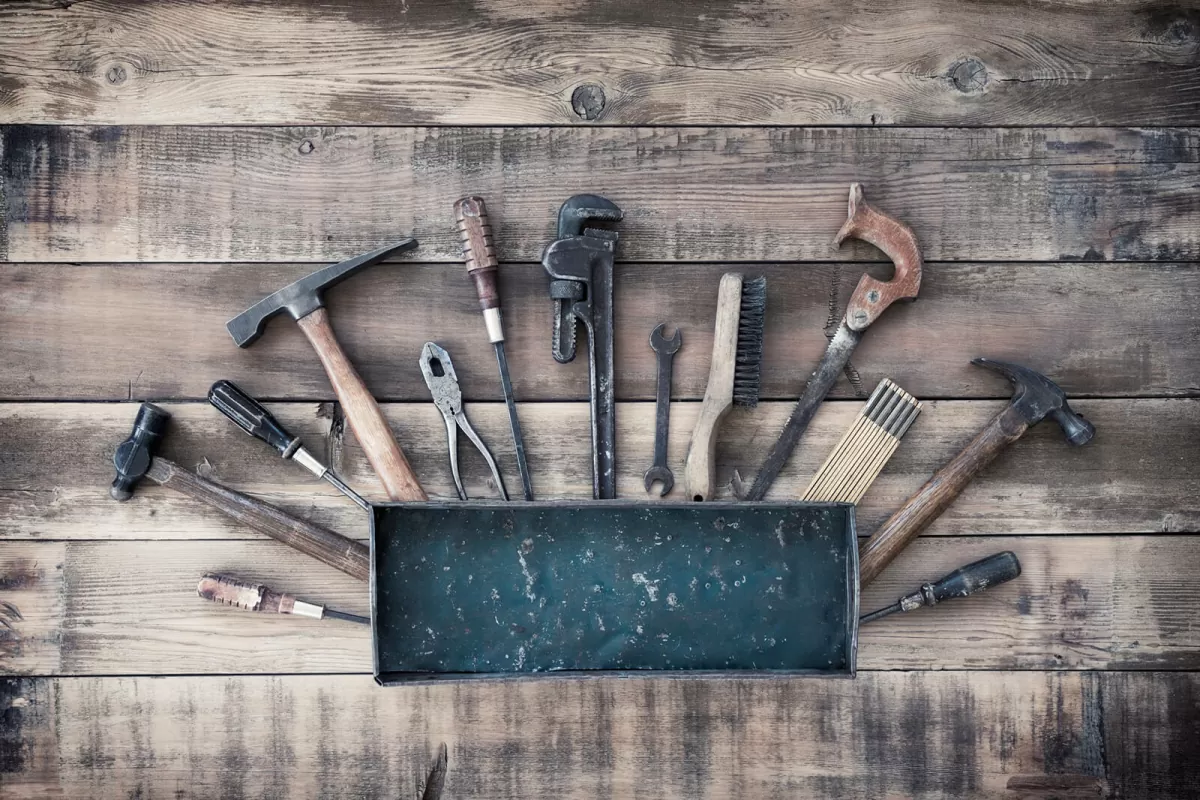
Beginner antique tool collectors know that having a price guide to antique tools is a valuable resource when adding new pieces to their collections. Yet, expert collectors know that a well-documented price guide is just as important when buying and selling their tools, regardless of the venue. What to Expect When Valuing and Buying Antique Tools If you’ve ever browsed through a hardware store, you’re probably well aware of how expensive the tools of the trade are.
DIY sounds like fun until you start adding up your total at the checkout line. Generally more expensive than what some might expect, but not as costly as the newest power tools on the market, antique tools can cost you a pretty penny. However, you get double your money back when you buy these expertly crafted tools that were truly built to last a lifetime. In many cases, it’s this craftsmanship that makes them so desirable to all sorts of blue-collar workers and hobbyists and drives up their values over time. Factors That Impact Antique Tool Values By and large, one of the major factors that impacts an antique tool’s value is if it’s still useful. Tools that’re in complete disrepair and can’t perform the tasks that they were designed to don’t appeal to the audience that buys these things, so they fail to sell. Additionally, age, brands, and the specific type of tool have an increasing impact on how much these antiques usually sell for at auction or in stores. Generally, tools from before the 19th century aren’t typically useful to modern tasks (and it’s uncommon to even find them for sale), so they aren’t as valuable as ones from the 19th century. Similarly, brands have a big impact on how collectible certain tools are, and thus on how much people can sell them for. Many collectors like to try to find all of the series from a specific brand (like Stanely, for example), and they may be willing to pay a little extra for a non-marked one.
